O que você está procurando?
- E-mail: info@cnlcdisplay.com
- Telefone: 8613728004632





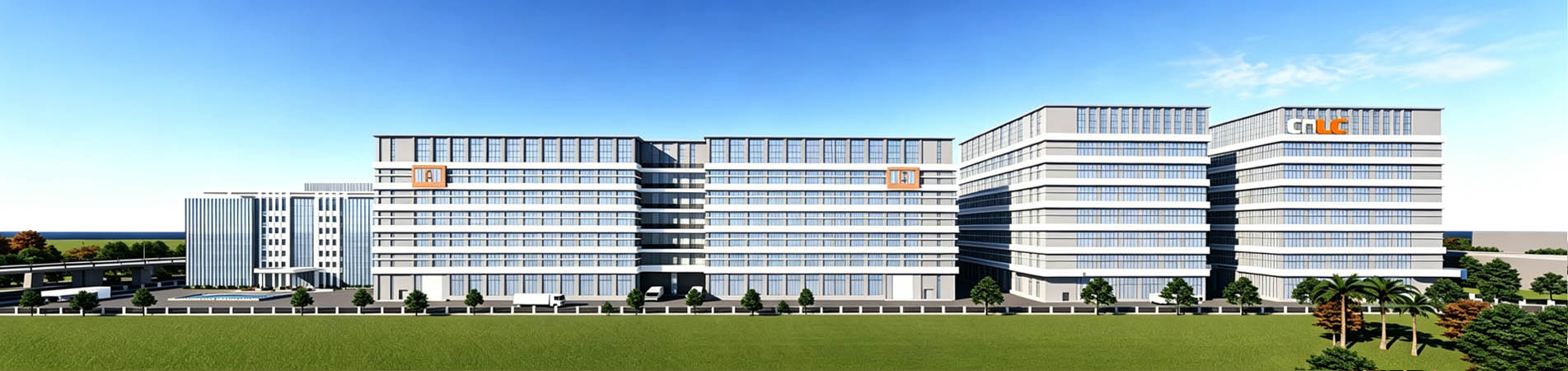
Os painéis de LED para uso externo são amplamente utilizados em publicidade à beira de estradas, ruas comerciais, terminais de transporte, instalações esportivas e outros ambientes a céu aberto. Esses painéis ficam continuamente expostos à radiação solar, chuva, umidade, variações de temperatura e outras condições ambientais adversas.
Dentre esses fatores, a radiação solar prolongada pode criar cargas térmicas significativas e estresse ambiental em LEDs, circuitos integrados de acionamento, fontes de alimentação, placas de circuito impresso, materiais estruturais, componentes de vedação e revestimentos de superfície.
Para outdoors de LED, totens de LED e outros displays digitais de mídia exterior (DOOH) que podem operar continuamente, os testes funcionais padrão de fábrica e a inspeção visual, por si só, não conseguem avaliar completamente a confiabilidade a longo prazo sob luz solar intensa.
Os testes de radiação solar proporcionam um ambiente laboratorial controlado para simular a exposição à luz solar de alta intensidade. Permitem que os engenheiros avaliem o desempenho de displays de LED para uso externo sob radiação contínua e cargas térmicas, fornecendo dados práticos para a seleção de materiais, gerenciamento térmico, seleção de componentes eletrônicos e otimização da confiabilidade geral do produto.
A CNLC implantou recentemente um sistema dedicado para testes de radiação solar e incorporou esses testes ao seu processo de validação da confiabilidade ambiental de produtos de displays de LED para uso externo.
O teste de radiação solar é um teste de confiabilidade ambiental usado para simular os estresses ambientais que os produtos podem sofrer durante a exposição prolongada à luz solar.
Durante a operação em ambientes externos, a luz solar direta pode aumentar significativamente as temperaturas da superfície e internas de um display de LED. A radiação ultravioleta também pode afetar certos materiais poliméricos, vedações e revestimentos de superfície ao longo do tempo, enquanto a carga térmica adicional aumenta o estresse ambiental a que os LEDs, sistemas de driver, fontes de alimentação e outros componentes eletrônicos são submetidos.
Os testes de radiação solar são, portanto, mais do que simplesmente expor um produto à luz solar. Em condições controladas de laboratório, o produto é submetido a níveis específicos de radiação solar, enquanto seu funcionamento e as temperaturas em pontos-chave são monitorados continuamente.
Essa abordagem ajuda as equipes de engenharia a identificar potenciais riscos ambientais mais cedo e a usar os resultados dos testes para aprimorar o projeto e a confiabilidade do produto.
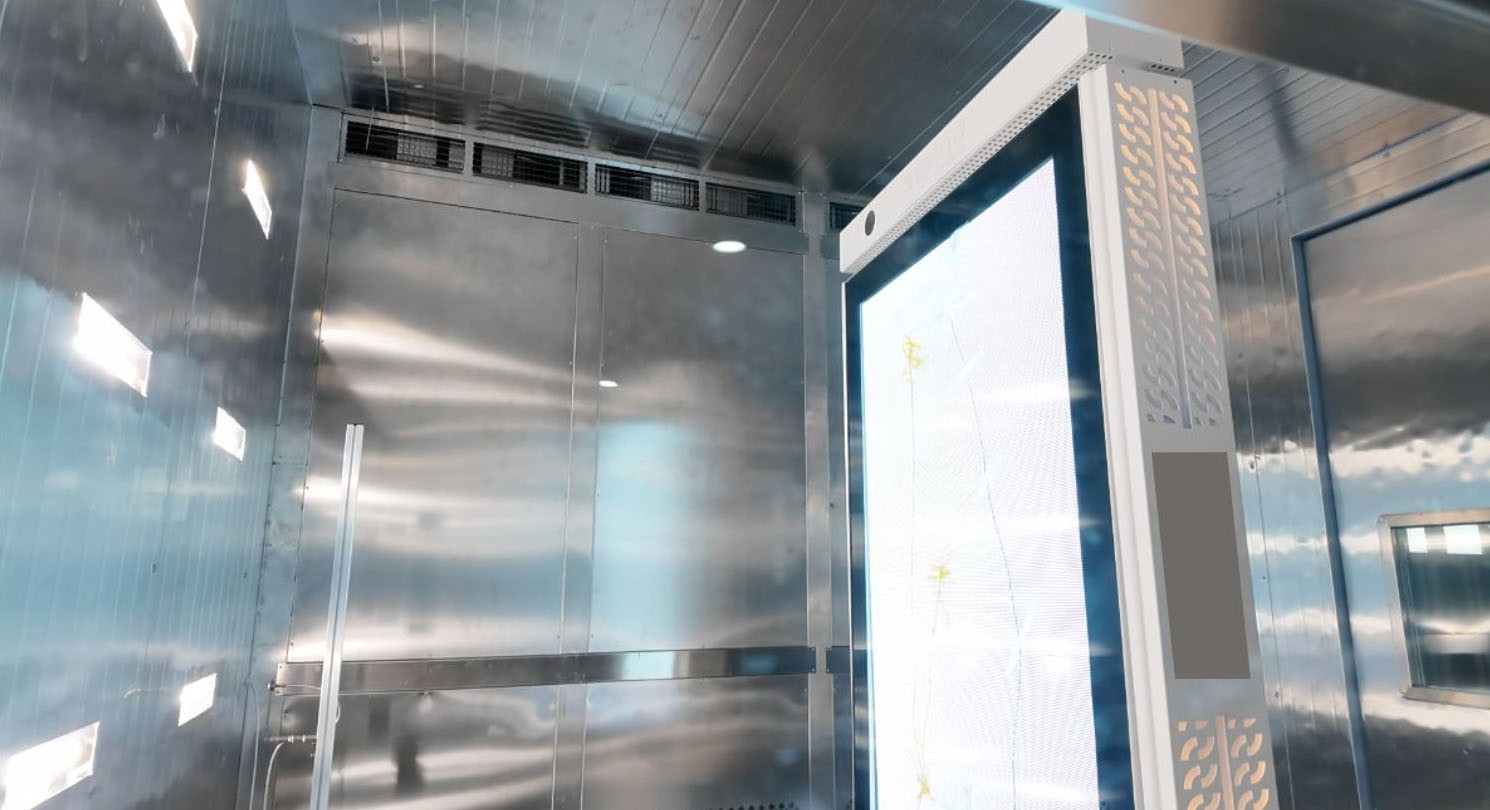
Os testes de radiação solar são por vezes confundidos com os testes convencionais de alta temperatura, mas os dois testes focam-se em diferentes tipos de stress ambiental.
Testes em altas temperaturas Avalia principalmente o desempenho e a resistência do produto em temperaturas ambientes elevadas.
Teste de radiação solarPor outro lado, a análise foca na radiação solar e seus efeitos térmicos, permitindo que os engenheiros avaliem o desempenho do produto e a estabilidade do material após exposição controlada à luz solar simulada contínua.
Em ambientes externos reais, os displays de LED podem sofrer simultaneamente com radiação solar, altas temperaturas ambientes, calor gerado pelo próprio display e longos períodos de operação contínua.
Portanto, os testes de radiação solar servem como um importante complemento aos testes de confiabilidade em altas e baixas temperaturas, umidade e outros ambientes, proporcionando outra perspectiva para avaliar a confiabilidade de displays de LED para uso externo.
Quais partes de um painel de LED externo podem ser afetadas pela radiação solar a longo prazo?
Um painel de LED para uso externo consiste em múltiplos sistemas e componentes, incluindo módulos de LED, sistemas de controle, fontes de alimentação, placas de circuito impresso (PCBs), gabinetes, componentes estruturais, materiais de vedação e materiais de proteção de superfície.
A radiação solar a longo prazo e seus efeitos térmicos podem impor diferentes níveis de estresse ambiental a esses componentes. Portanto, a avaliação da confiabilidade precisa considerar tanto o display completo quanto seus componentes críticos.
Os LEDs são os componentes principais de um painel de LED para uso externo.
Durante a operação em ambientes externos, os LEDs geram calor e também são expostos a cargas térmicas adicionais causadas pela radiação solar direta. À medida que as temperaturas ambiente e da superfície aumentam, os componentes do display de LED podem sofrer maior estresse térmico.
Os testes de radiação solar permitem que os engenheiros monitorem as mudanças de temperatura em componentes de LED sob condições de alta irradiância e alta temperatura, fornecendo dados práticos para a seleção de componentes de LED e o projeto térmico.
Fontes de alimentação, circuitos integrados de acionamento, placas de circuito impresso, placas receptoras e outros componentes eletrônicos dentro de um painel de LED externo geram calor durante o funcionamento.
Quando a radiação solar aumenta a carga térmica total, esses componentes podem operar em temperaturas mais elevadas.
Ao monitorar as mudanças de temperatura durante os testes de radiação solar, os engenheiros podem entender melhor a distribuição térmica dentro do visor e usar os resultados para otimizar a seleção da fonte de alimentação, a configuração dos componentes eletrônicos e o gerenciamento térmico geral.
Os painéis de LED para uso externo e seus componentes estruturais devem manter um desempenho mecânico estável durante a exposição prolongada ao ar livre.
Metais, plásticos e outros materiais estruturais podem sofrer expansão térmica ou outras alterações materiais sob radiação solar contínua e flutuações de temperatura.
Os testes de radiação solar ajudam os engenheiros a observar como os componentes estruturais reagem a condições de alta temperatura e alta luminosidade, fornecendo referências úteis para o projeto de gabinetes, folgas de instalação e seleção de materiais.
Os painéis de LED para uso externo normalmente utilizam fitas de vedação, selantes e estruturas de proteção para reduzir o risco de entrada de água e umidade.
A radiação solar a longo prazo pode afetar as propriedades físicas de certos materiais de vedação ao longo do tempo.
Os testes de radiação solar podem, portanto, ser usados como parte da validação da proteção e confiabilidade em ambientes externos, ajudando os engenheiros a avaliar a estabilidade dos materiais relevantes sob exposição combinada à luz e ao calor.
As superfícies externas e os revestimentos dos displays de LED para uso externo ficam diretamente expostos ao ambiente natural.
A radiação solar contínua pode afetar certos revestimentos e materiais exteriores ao longo do tempo, podendo resultar em alterações como variação de cor ou envelhecimento da superfície.
Os testes de radiação solar fornecem um método controlado para avaliar opções de materiais e tratamentos de superfície, auxiliando no projeto de estruturas resistentes às intempéries.
Como a CNLC realiza testes de radiação solar para displays de LED externos?
Com seu sistema de teste de radiação solar recém-implantado, a CNLC pode realizar a validação da confiabilidade ambiental para Painéis de LED para exterior, totens de LED, outdoors de LED e componentes críticos relacionados..
Um processo de teste típico inclui:
Preparação do produto → Configuração das condições de teste → Exposição à radiação solar → Monitoramento do teste → Inspeção pós-teste → Análise e avaliação de dados
Antes do início dos testes, a equipe de engenharia prepara a amostra de acordo com seu projeto e requisitos de teste, definindo a irradiância, a temperatura ambiente e a duração da exposição necessárias.
Durante os testes, o visor de LED é exposto à radiação solar controlada, enquanto um equipamento de monitoramento de temperatura multiponto registra as alterações de temperatura em locais críticos, incluindo a superfície do LED, o interior do gabinete, a fonte de alimentação e outros componentes essenciais.
Após os testes, o produto é inspecionado e comparado com sua condição pré-teste. Os engenheiros avaliam as mudanças na aparência, estrutura e estado operacional, e utilizam as conclusões para apoiar o desenvolvimento futuro do produto e a otimização da engenharia.
Painel de LED para publicidade externa de dupla face P4: um teste real de radiação solar.
Para demonstrar o valor prático dos testes de radiação solar, a seção seguinte apresenta um teste CNLC recente realizado em um Painel de publicidade LED externo de dupla face P4.
O teste foi projetado para simular as condições térmicas que um painel de LED externo pode encontrar sob alta irradiação solar e temperaturas ambientes elevadas.
Irradiação solar: 1100 W/m²
Temperatura ambiente: 55°C
Duração da exposição: 4 horas
Irradiância UV: 77 W/m²
Luz visível: 473 W/m²
Radiação infravermelha: 550 W/m²
Pontos de monitoramento de temperatura: 16
Os 16 pontos de monitoramento de temperatura foram distribuídos em locais estratégicos, incluindo a superfície do vidro, a superfície do LED, a parte traseira do módulo de LED, a fonte de alimentação, a placa receptora, o interior do gabinete e a tampa da caixa elétrica.
O monitoramento de temperatura em múltiplos pontos proporciona uma visão mais abrangente da distribuição de temperatura e da resposta térmica do produto sob radiação solar simulada.
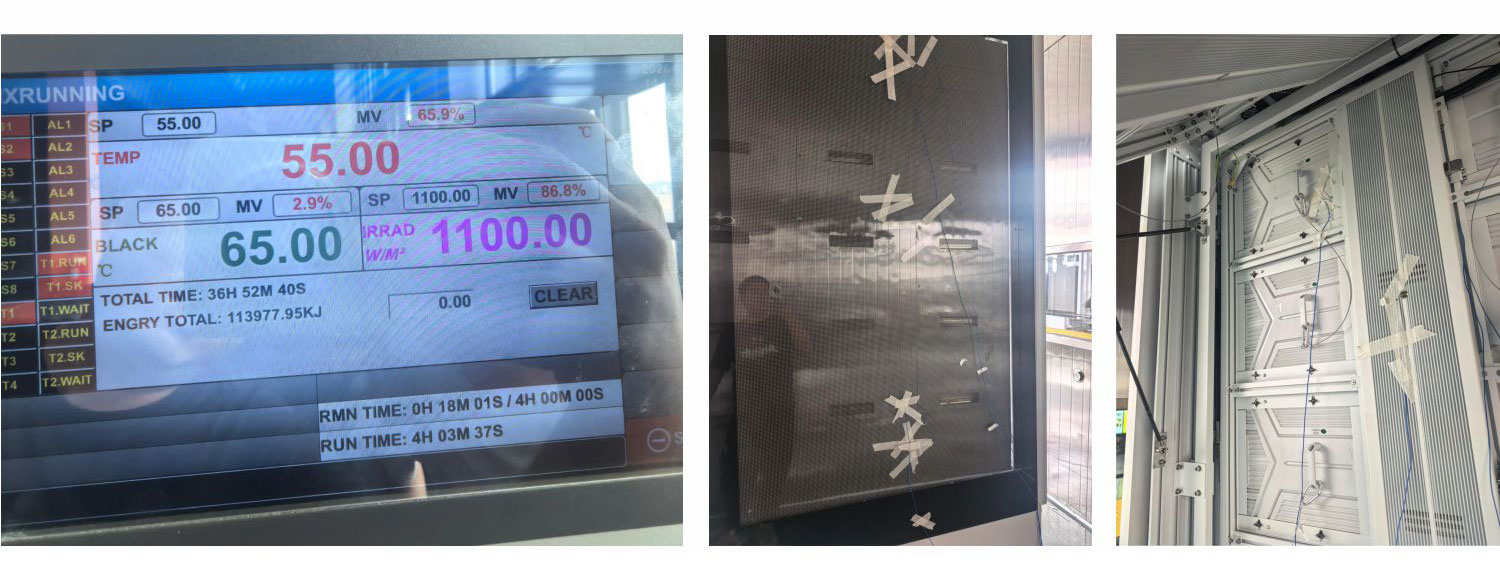
Durante o teste de radiação solar do painel de LED para publicidade externa de dupla face P4, o ambiente de teste foi mantido em Irradiação solar de 1100 W/m² e temperatura ambiente de 55°C..
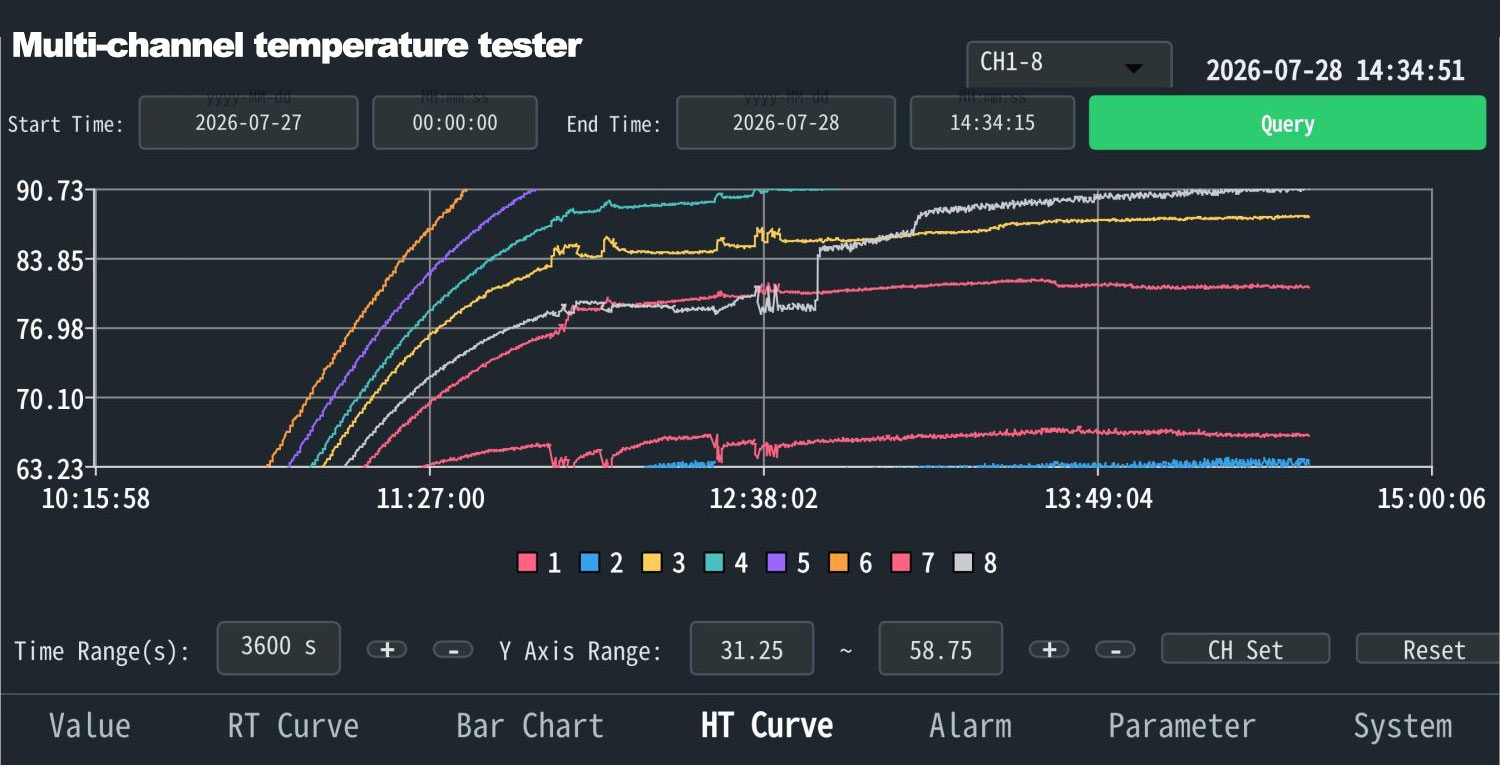
A temperatura mais alta medida na superfície do LED atingiu 89°C durante o teste.
Este resultado fornece uma indicação direta da carga térmica suportada pelos componentes do display de LED em condições de alta irradiância e alta temperatura. Os dados também podem auxiliar na seleção de componentes de LED, no projeto térmico e no gerenciamento geral de calor.
Durante o mesmo teste, a temperatura dentro do gabinete permaneceu em torno de aproximadamente 64–67°C, enquanto a temperatura da fonte de alimentação do LED atingia 82–93°C.
Essas medições ajudam os engenheiros a entender a distribuição térmica em diferentes áreas da tela e a avaliar o desempenho da fonte de alimentação, dos componentes eletrônicos e do gerenciamento térmico estrutural sob condições ambientais exigentes.
Para outdoors de LED e displays DOOH projetados para operação contínua prolongada, esses dados de testes em situações reais podem fornecer informações valiosas para o desenvolvimento de produtos focados em confiabilidade.
Desempenho de resistência às intempéries do revestimento de superfície
A estrutura externa e o revestimento da superfície de um display LED para uso externo ficam continuamente expostos ao ambiente externo, tornando a resistência às intempéries um aspecto importante da confiabilidade do produto.
Durante este teste, o Revestimento em pó resistente às intempéries de 176 μm na parte externa do produto foi exposta a Radiação solar de espectro completo de 1100 W/m² durante 4 horas.
Não foram observados sinais óbvios de desbotamento, amarelamento, formação de bolhas, rachaduras ou descamação após a exposição.
Este resultado fornece evidências práticas para avaliar a estabilidade da superfície do sistema de revestimento sob as condições específicas de teste de alta irradiância e alta temperatura.
Resultados dos testes: do aquecimento rápido à estabilidade térmica
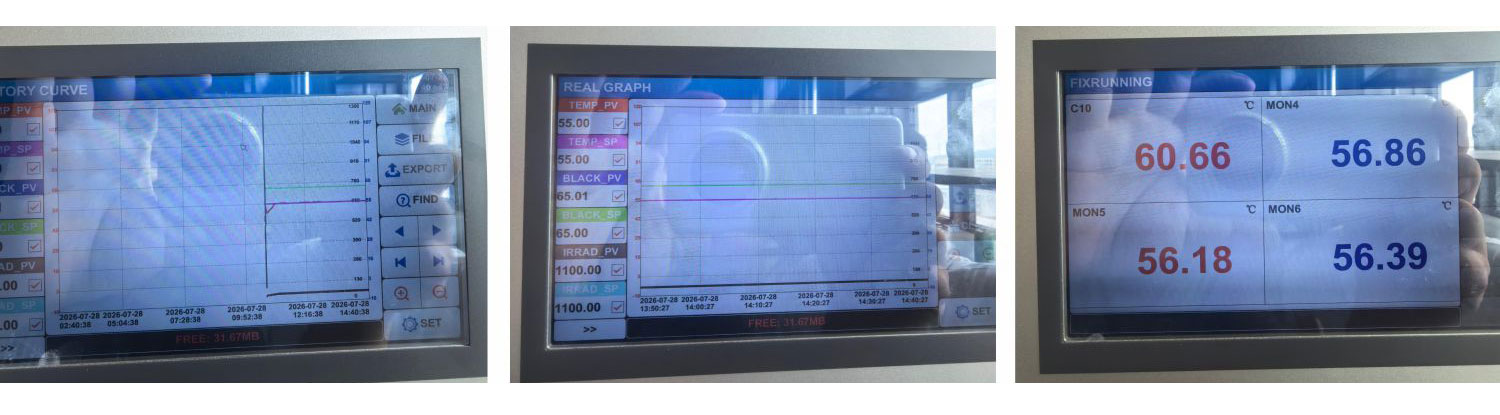
Os dados dos testes mostraram que a amostra sofreu aumentos rápidos de temperatura durante o estágio inicial de exposição. A taxa de aumento de temperatura diminuiu gradualmente e as temperaturas se aproximaram de um estado relativamente estável durante o estágio posterior do teste.
Ao longo do teste de 4 horas, não foram observados fumaça, odor incomum, rachaduras, afrouxamento estrutural ou outras anormalidades, e a amostra permaneceu operacional durante todo o teste.
Essas descobertas ajudam as equipes de engenharia a entender melhor a resposta térmica do painel de LED externo em condições de alta irradiação e alta temperatura, além de fornecer informações práticas para otimizar ainda mais o projeto.
Da fase de testes à otimização: construindo um ciclo de validação de confiabilidade.
O valor dos testes de confiabilidade ambiental não se limita à obtenção de um resultado de teste.
Mais importante ainda, os testes sistemáticos podem ajudar a identificar riscos potenciais antes que os produtos sejam implementados em larga escala e a incorporar as descobertas no desenvolvimento do produto e no projeto de engenharia.
A CNLC utiliza os resultados dos testes para apoiar:
Seleção e otimização de componentes LED
Otimização do gerenciamento térmico
Configuração da fonte de alimentação e dos componentes eletrônicos
Melhorias na estrutura do gabinete
Otimização de vedação e proteção
melhorias na resistência às intempéries externas
Isso cria um contínuo:
Testes → Análise → Otimização → Revalidação
Ciclo de validação de confiabilidade.
Por que as aplicações de mídia digital out-of-home (DOOH) 24 horas por dia, 7 dias por semana, exigem telas de LED externas confiáveis?
Painéis publicitários de LED à beira da estrada, totens de LED, displays de publicidade comercial, painéis de informações de transporte e outras aplicações de DOOH (Digital Out-of-Home) geralmente operam por longos períodos, às vezes continuamente 24 horas por dia, 7 dias por semana.
Para os operadores, uma falha nos displays pode resultar em custos de manutenção e substituição no local, além de interromper a exibição de conteúdo publicitário, afetando a eficiência operacional geral.
A confiabilidade dos painéis de LED para uso externo, portanto, precisa ser considerada desde os estágios iniciais de desenvolvimento do produto, seleção de materiais, projeto estrutural e fabricação — e não tratada simplesmente como um requisito final de controle de qualidade.
Testes de radiação solar, testes de alta temperatura, testes de baixa temperatura, testes de umidade e outros testes de confiabilidade ambiental podem avaliar diferentes aspectos da capacidade de um display de LED suportar condições externas exigentes.
A CNLC continua a aprimorar os testes de confiabilidade de displays de LED para ambientes externos.
Como fabricante de soluções de displays de LED para ambientes externos, a CNLC continua a fortalecer suas capacidades em desenvolvimento de produtos, projeto de engenharia e testes de confiabilidade ambiental, apoiando aplicações de displays de LED para publicidade em vias públicas, displays comerciais, sistemas de informação de transporte e redes DOOH (Digital Out-of-Home).
Com a implementação do seu sistema de testes de radiação solar, a CNLC expandiu ainda mais suas capacidades de validação da confiabilidade ambiental de produtos LED para uso externo. Combinado com testes de alta e baixa temperatura, umidade, névoa salina e outros testes ambientais, o sistema oferece uma avaliação mais abrangente do desempenho de produtos para uso externo.
Para a CNLC, os testes não são apenas uma etapa de controle de qualidade na fabricação. Eles também são uma parte importante do desenvolvimento de produtos e da melhoria contínua da engenharia.
Ao integrar o design do produto, a seleção de materiais, os processos de fabricação e os testes de confiabilidade, a CNLC avalia continuamente o desempenho do produto em condições controladas de laboratório e utiliza as conclusões para o desenvolvimento do produto.
Conclusão
Os painéis de LED para uso externo operam em ambientes ao ar livre e enfrentam diversos desafios, incluindo radiação solar, altas temperaturas, flutuações de temperatura, chuva e operação contínua.
Os testes de radiação solar fornecem um método controlado para simular a exposição à luz solar intensa e gerar dados práticos para avaliar e otimizar a confiabilidade ambiental de displays de LED para uso externo.
A verdadeira confiabilidade de um produto não se resume apenas ao seu funcionamento normal após a instalação. Trata-se de manter o desempenho e a operação estáveis do monitor mesmo quando exposto a condições externas exigentes ao longo do tempo.
A CNLC continua a combinar testes ambientais, validação de engenharia e otimização de produtos para fornecer soluções confiáveis de displays de LED para publicidade DOOH, transporte, aplicações comerciais e outras aplicações externas em todo o mundo.
Está planejando um projeto de painel de LED para ambientes externos em uma região com muita luz solar ou altas temperaturas? Contate a CNLC Com a localização do seu projeto, ambiente de instalação e requisitos operacionais para suporte técnico específico da aplicação.
Perguntas frequentes sobre testes de radiação solar para displays de LED externos
Os testes de radiação solar ajudam a avaliar o desempenho de um painel de LED externo sob luz solar intensa e as cargas térmicas associadas. Eles podem fornecer dados práticos para a seleção de componentes de LED, gerenciamento térmico, configuração da fonte de alimentação, projeto estrutural e confiabilidade geral do produto.
Não. Os testes de alta temperatura avaliam principalmente o desempenho do produto sob temperaturas ambientes elevadas, enquanto os testes de radiação solar simulam a luz solar direta e seus efeitos térmicos. Portanto, os testes de radiação solar podem complementar os testes convencionais de alta temperatura.
A temperatura real depende de fatores como irradiação solar, temperatura ambiente, estrutura do display, materiais, fluxo de ar e projeto térmico. No recente teste de display de LED externo de dupla face P4 da CNLC, a superfície do LED atingiu uma temperatura máxima medida de 89°C sob Irradiância de 1100 W/m² e temperatura ambiente de 55 °C..
No teste de display LED externo P4 mencionado, a irradiação solar foi definida como 1100 W/m², a temperatura ambiente foi mantida em 55°Ce a duração da exposição foi 4 horasO teste também incluiu 16 pontos de monitoramento de temperatura em áreas-chave da tela.

 Telefone : 8613728004632Telefone : 8602082332833
 E-mail : info@cnlcdisplay.com
 PERMANEÇA CONECTADO Receba nossas novidades, ofertas e muito mais...